


What animal viruses can acidic electrolyzed water/hypochlorous acid water kill?
Text | Zhejiang University Professor Ye Zhangying "Electrolysis Water Technology Channel" Luo Haixin
Editor | "Electrolyzed Water Technology Channel" Pei Luowei
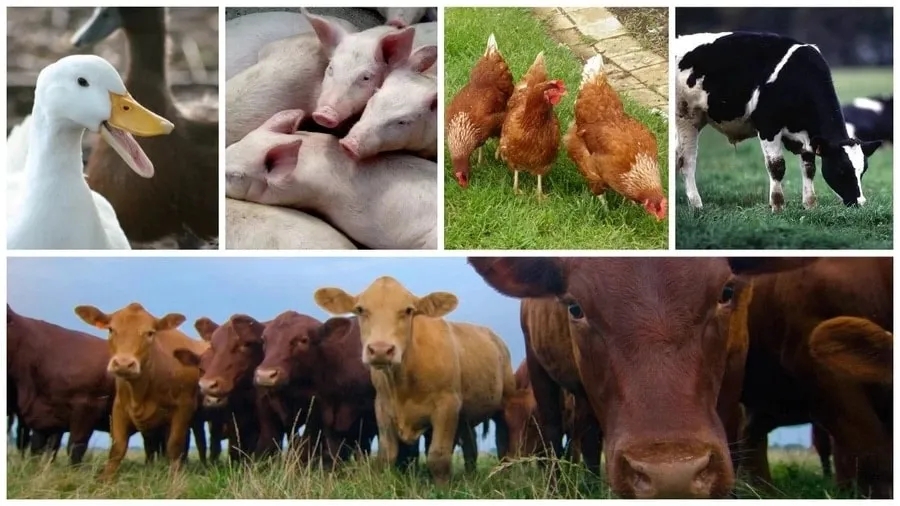
In recent years, with the continuous improvement of breeding levels, my country's breeding industry has entered a period of rapid development. However, due to the intensive scale and high-density breeding of farms, the pathogens in the farms have become increasingly complex, and these pathogenic microorganisms can survive under appropriate conditions. Cause the epidemic of epidemic diseases, such as swine fever, foot-and-mouth disease, porcine blue-ear disease, porcine circovirus, avian influenza, high fever, etc., the faster the pathogenic microorganisms spread. Once an infectious disease breaks out, it is often too late to take measures. , will cause serious economic losses.
Disinfection is an important link in comprehensive disease prevention. Through scientific, reasonable and effective disinfection, cutting off the transmission routes of infectious diseases and reducing the number of pathogenic microorganisms in farms and poultry houses can reduce or Avoid the occurrence of infectious diseases.
The application scope of acidic electrolyzed water/hypochlorous acid water is gradually expanding over time. Today we will briefly introduce the killing effect of acidic electrolyzed water/hypochlorous acid water on animals susceptible to viruses...
Foot and mouth disease virus (FMDV)
electrolyzed water for disinfection of foot-and-mouth disease virus[J]. Journal of Veterinary Medical Science, 2017, 79(4):726-729.
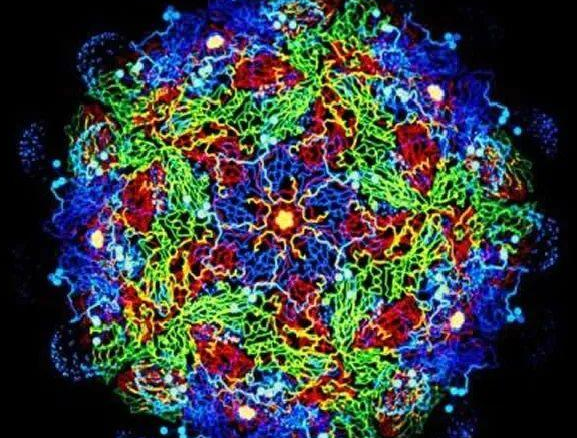
Foot-and-mouth disease virus is an RNA virus that causes foot-and-mouth disease. Foot-and-mouth disease is an acute, febrile, highly contagious infectious disease that affects major domestic animals such as pigs, cattle, sheep, and other domestic and wild cloven-hoofed animals. There are more than 70 species of susceptible animals. It can cause acute fever symptoms, vesicular rashes on the oral mucosa, hooves and breast skin, and the mortality rate in young animals is high. The disease spreads through many channels and at a fast speed, and has caused many outbreaks around the world, causing huge political and economic losses.
Vuong N. BUI and others from Hokkaido Agricultural University in Japan studied the killing effect of acidic electrolyzed water on foot-and-mouth disease virus. The results showed that acidic electrolyzed water (pH 2.6, ORP between 1109 and 1112mV) and foot-and-mouth disease virus suspension were mixed at a ratio of 9:1 for 2 minutes. This treatment can effectively kill viruses, reducing the number of viruses with RNA activity from 106 to less than 102, and the virus inactivation rate is >99.99%.
References: Bui V N , Nguyen K V , Pham N T , et al. Potential of electrolyzed water for disinfection of foot-and-mouth disease virus[J]. Journal of Veterinary Medical Science, 2017, 79(4):726-729.
Avian influenza virus(AIV)

Bird Flu (Bird Flu or Avian Influenza) is the abbreviation of avian influenza. It is an acute infectious disease caused by a subtype of influenza A virus (also called avian influenza virus). The morbidity and mortality rates of avian influenza vary widely, and can reach 100% when infected with highly pathogenic avian viruses.
The disease can be spread through various channels such as the digestive tract, respiratory tract, skin lesions and conjunctiva. The movement of people and vehicles between regions is an important way to spread the disease.
Highly pathogenic avian influenza is an acute, febrile, highly contagious infectious disease of chickens caused by highly pathogenic avian influenza virus subtypes. It is designated as a notifiable disease by the World Organization for Animal Health and the "Administration of the People's Republic of China" It is listed as a Class I infectious disease in the List of Animal Quarantine Diseases.
The subtypes of avian influenza viruses that have been found to be able to directly infect humans include: H5N1, H7N1, H7N2, H7N3, H7N7, H9N2 and H7N9 subtypes. Among them, the highly pathogenic H5N1 subtype and the new avian influenza H7N9 subtype first discovered in humans in March 2013 are of particular concern, not only causing human casualties, but also severely damaging the poultry breeding industry.
Shio Tamaki and others from Hokkaido Agricultural University in Japan studied the killing effect of neutral electrolyzed water on avian influenza viruses. They used neutral electrolyzed water (effective chlorine concentration ≥ 43 ppm, pH between 6.4 and 7.4) and highly pathogenic water. Avian influenza (H5N1) virus and low-pathogenic avian influenza (H9N2) virus were mixed at a ratio of 9:1 and treated for 1 min. When treated under these conditions, neutral electrolyzed water can have a good killing effect on viruses. The number of active viruses is reduced by more than 5 logarithms, and the inactivation rate is >99.999%.
References: Tamaki S, Bui V N, Ngo L H, et al. Virucidal effect of acidic electrolyzed water and neutral electrolyzed water on avian influenza viruses[J]. Archives of Virology, 2014, 159(3):405-412.
African Swine fever(ASF)
Bokhee HAN, Sang-Ji SEO, Young Wook KIM, Moon HER, Wooseog JEONG.Virucidal efficacy of acidic electrolyzed water (AEW) against African swine fever virus and avian influenza virus:Virology [J].The Journal of Veterinary Medical ScienceVolume 83, Issue 2. 2021. PP201-207.
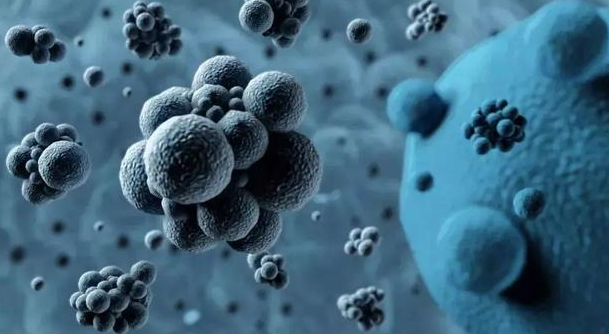
African swine fever (ASF) is an acute, severe, highly contagious infectious disease caused by African swine fever virus (ASFV) infecting domestic pigs and wild boars. It is listed as a statutory report by the World Organization for Animal Health (OIE) Animal epidemics have also been listed as a category of animal epidemics to be focused on in our country.
According to official data, as of the end of August 2019, a total of 147 cases of African Fever were reported in 31 provinces and municipalities in my country, with 19,355 pigs falling ill, 13,385 dead, and 1,127,600 pigs dead and culled.
Chae Hong RHEE of the Korean Animal and Plant Inspection and Quarantine Service and others published their latest research in the world-renowned veterinary magazine "The Journal of Veterinary Medical Science": the killing effect of acidic electrolyzed water on African swine fever virus and avian influenza virus!
Researchers used acidic electrolyzed water with different effective chlorine concentrations (FCC) and tested the effect of acidic electrolyzed water on reducing the titer of African swine fever virus (ASFV) under different organic matter concentrations. The results are as follows:
Under low-level organic pollution conditions, AEW with FCC ≥ 40 ppm is effective against African swine fever virus; under high-level organic pollution conditions, AEW with FCC ≥ 80 ppm is effective against African swine fever virus.
References: Chae Hong RHEE, Soohee KIM, Young Eun KANG, Bokhee HAN, Sang-Ji SEO, Young Wook KIM, Moon HER, Wooseog JEONG.Virucidal efficacy of acidic electrolyzed water (AEW) against African swine fever virus and avian influenza virus :Virology [J].The Journal of Veterinary Medical ScienceVolume 83, Issue 2. 2021. PP201-207.
Porcine reproductive and respiratory syndrome virus(PRRSV)

Porcine PRRS is a highly contagious disease that infects pigs caused by Porcine Reproductive and Respiratory Syndrome Virus (PRRSV). It causes an acute and highly contagious disease in pigs characterized by reproductive failure and respiratory symptoms. Viral infectious diseases can cause reproductive disorders, breathing difficulties, blue-purple ears, and other infectious diseases in piglets, seriously affecting the pig industry.
The disease spreads quickly, especially in technologically advanced and economically developed countries, where pig herds are densely packed and move frequently, making it more likely to cause an epidemic. After a serious epidemic period, the disease often becomes endemic, harming pig production for a long time and causing huge economic losses to the pig industry.
Hao Xiaoxia and others studied the killing effect of neutral electrolyzed water on porcine PRRS virus. The results showed that neutral electrolyzed water had a better killing effect on porcine PRRS virus, and with the increase of effective chlorine concentration and treatment time, The killing effect is enhanced. When the effective chlorine concentration of the neutral electrolyzed water is greater than or equal to 50 mg/l and the treatment time is 10 minutes, the porcine blue ear virus with half of the cell infection dose (TCID50) of 106.0/0.1 ml can be completely killed, and the killing rate reaches 100%. .
References: Hao Xiaoxia, Shen Zhiqiang, Wang Jinliang, et al. Study on the effect of neutral electrolyzed water on inhibiting porcine blue-ear virus in vitro [C]// Commemorating the 30th anniversary of the establishment of the Chinese Society of Agricultural Engineering and the Academic Annual Meeting of the Chinese Society of Agricultural Engineering. 2009 .
Pseudorabies virus (PRV)
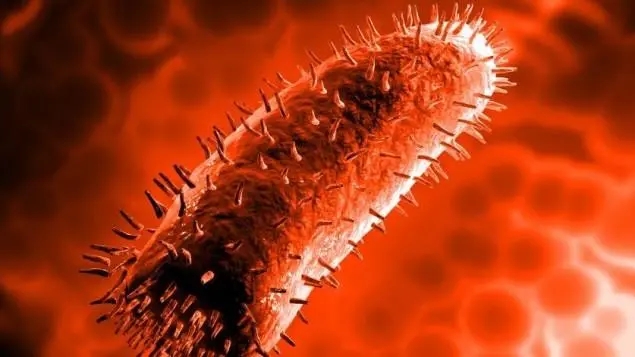
Pseudorabies virus can cause major symptoms such as fever, itching (except pigs) and encephalomyelitis in a variety of domestic and wild animals such as cattle, sheep, pigs, dogs and cats, and can cause acute infectious diseases in pigs. It can easily cause abortion and stillbirth in pregnant sows, infertility in boars, massive deaths of newborn piglets, breathing difficulties and growth stagnation in fattening pigs, etc. It is one of the major infectious diseases that harms the global pig industry.
Pseudorabies is highly contagious. In most cases, the disease is spread through nose-to-nose contact. Since pseudorabies is abundant in the nasal and oral areas, nose-to-nose contact is the most common type of transmission.
The researchers used slightly acidic electrolyzed water of different concentrations (ACC 50ppm, 70ppm) and pseudorabies virus suspension with a virus titer of 5.93 log10 TCID50/mL and mixed them in a ratio of 9:1 for 10 minutes. This treatment can effectively kill pseudorabies virus, with the virus inactivation amount reaching 5.93 orders of magnitude, and the inactivation rate being 100%.
References: Xiaoxia Hao; Zhiqiang Shen; Jinliang Wang; Qiang Zhang; Baoming Li; Chaoyuan Wang; Wei Cao. In vitro inactivation of porcine reproductive and respiratory syndrome virus and pseudorabies virus by slightly acidic electrolyzed water [J].The Veterinary JournalVolume 197 , Issue 2. 2013. PP 297-301.


Recommended Posts
-
 武汉军山方舱医院为新型冠状病毒肺炎患者临时定点收治单位,其产生的污水中含有大量的细菌、病毒等致病微生物、有机物、悬浮物等,具有较高的传染性和危害性。 本文介绍该医院污水处理的方式:“预处理+以膜生物反应器为核心的智能一体化污水净化系统(ICWT)+复合消毒”,处理后出水各指标均可达到《医疗机构水污染物排放标准》(GB18466-2005)所规定的排放限值要求。同时,系统全流程密闭,臭气全收集消毒处理,避免了气溶胶扩散途径。 一 方舱医院污水设施需求 方舱医院是为应对本次新型冠状病毒肺炎疫情所设立的临时性集中收治点,其污水处理设施需满足以下要求: 1、安全性要求高 其污水中含有大量细菌、病毒等致病微生物,具有空间污染、急性传播和潜伏性传染的危险,若不能妥善处理,可能会导致环境的污染,引起病毒的扩散、变异甚至出现疫情的扩散,因此处理设施需对污染物,尤其是致病污染物具有较好的处理效果。 2、抗冲击能力强 方舱医院污水主要来自病人洗漱、洗浴、大小便等,排放时间相对集中,因此水量水质的时变化较大...



comment